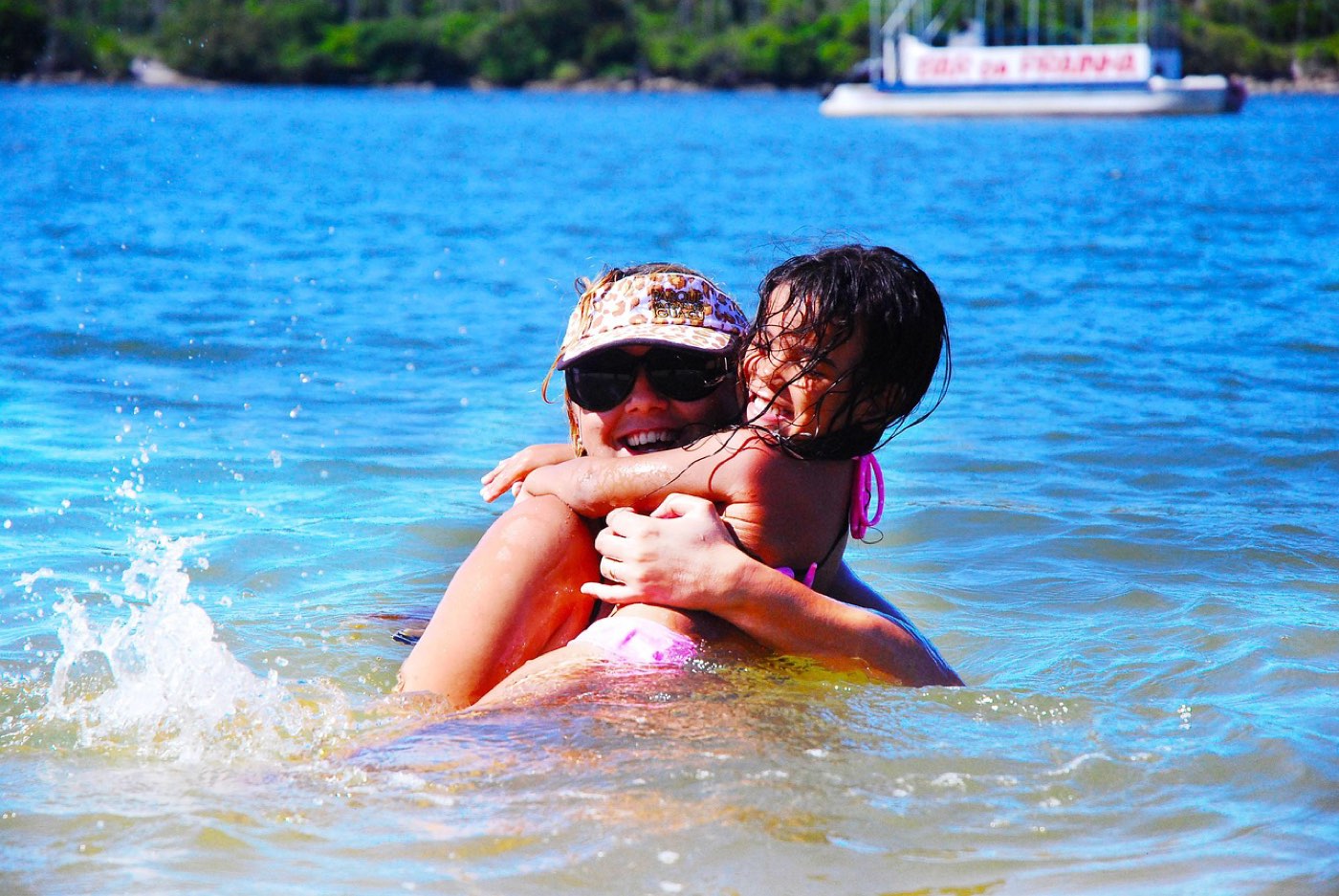
North Mauritius groups Grand Baie, Trou aux Biches, Pereybère, Cap Malheureux, Grand Gaube and Pamplemousses, a coastal area known for white sand beaches, a calm lagoon and easy access to nearby islets.
Where is North Mauritius
The northern part of the island sits along the coast facing a broad, sheltered lagoon. Towns and villages follow the shoreline and spread slightly inland toward low agricultural land. Grand Baie lies on the western side of the northern arc and functions as the region’s most active hub for visitors. Cap Malheureux marks the extreme tip of land looking out toward the open sea and the scattered islets.
Localities are close enough that a single stay can base at one point while accessing others without crossing the island. The coastline gives way to sheltered bays, public beaches and small harbors that serve as boarding points for boat trips to the islets off the north coast. Inland, Pamplemousses hosts a major botanical garden set slightly away from the shoreline, providing a contrast to the sand and sea.
Beaches and coastline
Trou aux Biches and Pereybère are public beaches with fine sand and shallow water suited to swimming. Their lagoons are calm compared with more exposed coasts, which makes them popular for relaxed bathing and simple water play. Both beaches offer long stretches of sand and gentle entry into the water; they are easy to reach from nearby towns and are frequented by visitors seeking a classic tropical beach day.
Grand Baie combines a sandy shoreline with a livelier coastal strip. It accommodates a variety of activities on land and in the water, and it serves as the common embarkation area for excursions to the islets. The feel there is busier than at the quieter, more secluded beaches to the east or west.
Cap Malheureux sits at the very northern tip and is known for its coastal views across the water to the islets. The shoreline here is more of a viewpoint and local landing area than a long beach suitable for full-day sunbathing. The coastline near Cap Malheureux provides clear lines of sight to nearby islets and to boats crossing between the island and offshore reefs.
The islets off the north coast
Several small islets lie off the northern shore and are commonly visited on day excursions from the coastal towns. Names include Coin de Mire/Gunner’s Quoin, Île Plate and Île Ronde. These islets present a different coastal environment: rocky points, reef-fringed shores and limited sandy pockets. They often form protected marine habitats and, in some cases, hold reserve status with rules that regulate access.
Boat trips to the islets typically depart from the main northern harbors. Excursions vary in length and focus: some emphasize snorkeling over reef flats, others include guided walks on dry land where allowed, and some combine a short beach stop with time cruising along the reef. Visitors should expect basic on-board facilities and a short transfer between the mainland and each islet by small craft.
Wildlife and marine scenery can differ from one islet to another. Visitors who plan snorkeling should bring appropriate gear or check local options for rental, and should respect any instructions given by crew regarding reef protection and swimming zones. Access restrictions may apply on particular islets to protect nesting birds or fragile habitats; where restrictions exist, they are enforced by local authorities or reserve managers.
Inland: the botanical garden
Pamplemousses hosts the island’s well-known botanical garden. The garden lies inland from the main northern beaches and presents an extended green space with a long history. Plantings and specimen trees form a managed landscape intended for visitors who want to explore cultivated collections rather than wild coastal nature.
The garden’s layout includes wide paths and planted plots, ponds and shaded avenues. Visitors can walk leisurely and view labeled specimens, seasonal flower displays and notable trees. The garden offers a change of pace from beach time: it is a place for a shaded stroll, photography and close-up observation of exotic and native vegetation kept in a designed setting.
Because the garden sits inland, combining a garden visit with coastal activities in the same day is a practical option. Travel between a beach base and the garden is straightforward and allows mixing water-based leisure with botanical interest.
Planning your time in the north
Decide what balance you want between beach time, a boat excursion and a garden visit. A typical short visit focuses on a beach and a short islet trip. A more relaxed stay lets you fit in the botanical garden plus extra time for strolling coastal towns and sampling local food options.
Combine activities that sit well together on a single day. For example, spend a morning at a calm beach for swimming and sun, then take an afternoon boat excursion to an islet. On another day, set aside time for the botanical garden followed by a sunset walk along the coast. This approach spreads outdoor activity across varied settings and reduces rush between attractions.
Consider how active you want to be on water. Snorkeling, reef walks and longer boat trips require slightly different preparation than a day of simple swimming and beach lounging. Pack swimwear, sun protection, a hat and footwear that works both on sand and on rocky islet landings. If you plan to snorkel, bring or arrange suitable equipment; reef areas are best visited with gear that fits comfortably.
Practical tips for visiting
Choose a beach that matches your mood: quieter public beaches for relaxed swimming or the busier coastal hub for a livelier atmosphere and easy access to boat departures. Public beaches allow free access and are shared by locals and visitors alike.
Boat excursions to the islets depart from main coastal points; check local departure locations when you arrive. Respect posted signs and crew instructions at landing sites. Certain islets may have restricted access to protect wildlife and habitats; follow local rules and avoid disturbing nesting birds, corals and other sensitive features.
For the botanical garden, allow time to walk the main paths and view the planted collections without a tight schedule. The garden complements a beach-based stay and brings botanical variety to a coastal itinerary.
Finally, plan transitions between activities so travel time does not consume the day. Mix a water-based morning with an inland afternoon, or dedicate full days to either beach and islet exploration or to inland leisure like the garden and town walks. That way the north’s mix of coast, islets and cultivated green space all find a place in a compact visit.