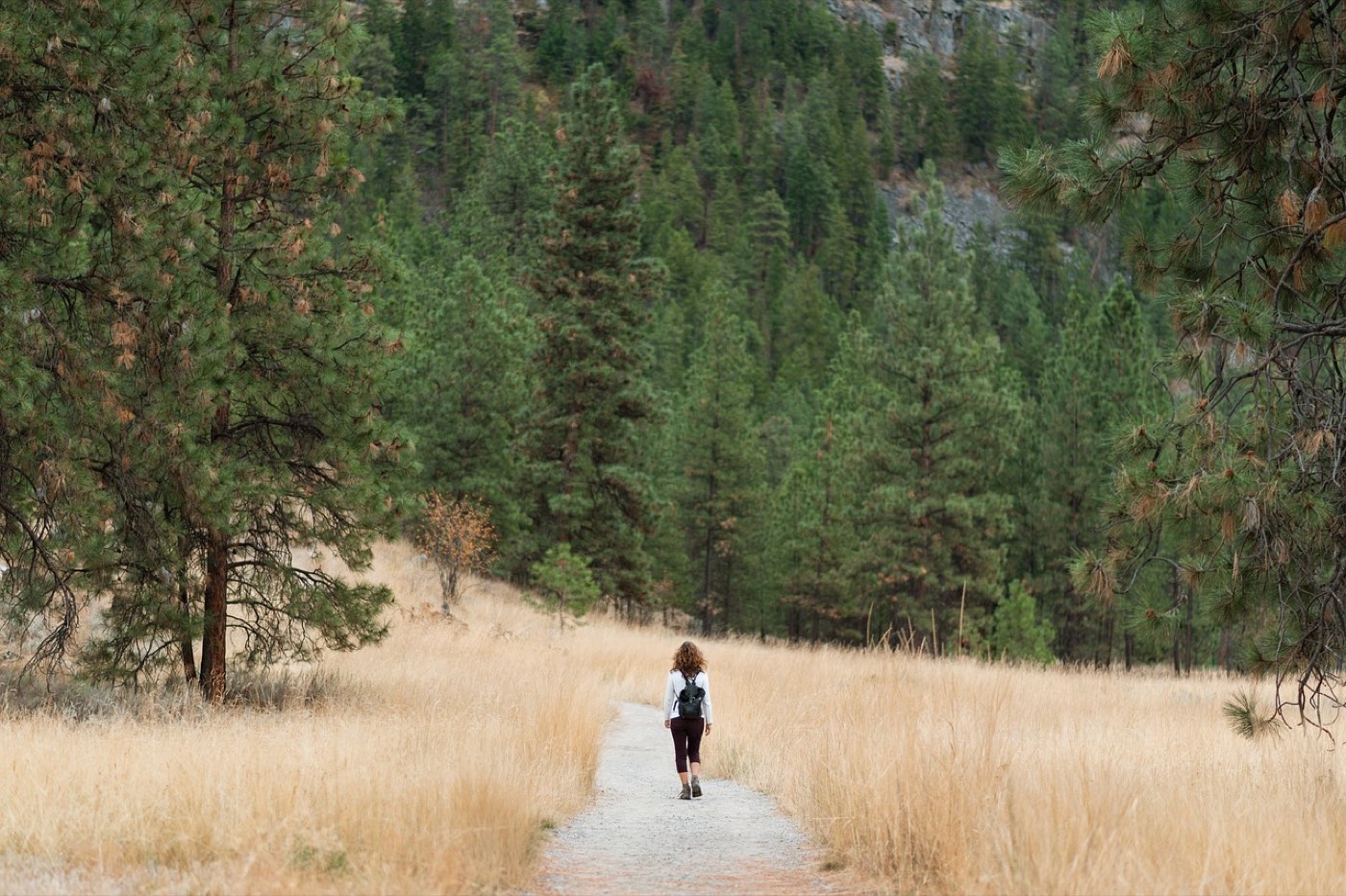
Mauritius offers a compact set of natural landscapes for hikers and nature lovers, from protected native forest to volcanic highlands and coastal promontories. This page outlines the island’s main hiking and nature sites, the character of each area, and practical points to plan a nature-focused trip.
Black River Gorges National Park
Black River Gorges National Park is the island’s principal area of native tropical forest. The park concentrates several marked trails that run through remnant forest and valleys. Vegetation here includes tall trees and dense undergrowth typical of a native forest environment.
Wildlife in the park is focused on endemic bird and plant species. Walks through the park offer opportunities to observe this endemic flora and fauna in habitat that receives legal protection. The park’s terrain varies from ridgelines to valley bottoms, giving hikers a range of landscape types within a single protected area.
Trail conditions and access regulations can change with management measures. Visitors should expect trail signage and a network of paths catering to different preferences, from shorter nature walks to longer forest routes. The park is often recommended for those seeking an immersive forest experience.
Climbing Le Morne Brabant
Le Morne Brabant is a distinctive mountain listed as a UNESCO World Heritage site. It is known for its steep western face and a summit plateau that overlooks a broad lagoon. The mountain’s silhouette is a reference point along the island’s southwest coast.
The ascent to the summit is widely undertaken by walkers and offers panoramic views over surrounding waters and coastal plains. Vegetation on the slopes transitions from coastal scrub at lower levels to more sparse plant cover near the summit. The mountain also has cultural and historical significance tied to its landscape.
Routes up Le Morne Brabant vary in steepness and exposure. Hikers commonly follow established paths that lead to the top. Given the mountain’s profile and its UNESCO status, visitors are encouraged to follow designated paths and respect onsite regulations aimed at conservation.
Trou aux Cerfs crater walk
Trou aux Cerfs is a volcanic crater located on the island’s central plateau. The site is characterized by a defined crater rim that permits a short walk around the perimeter. The crater basin itself presents a contrast with the surrounding plateau landscape.
This walk is a good option for a shorter outing that still provides a striking volcanic landscape. The rim affords views across the plateau and is accessible on foot via paths that circle the crater. Vegetation around the crater reflects the plateau’s conditions and tends to be more open than the island’s forest zones.
Because the site sits on higher ground, weather and visibility can influence the experience. Walkers should allow for changing conditions when planning a visit and consider the crater walk as part of a broader exploration of the island’s central highlands.
Nature reserves and endemic species
The island includes several insular nature reserves dedicated to the protection of endemic plants and animals. These reserves protect habitats that have been reduced elsewhere and provide a setting for species conservation and interpretation.
One example of this reserve type is Île aux Aigrettes, a small island reserve that focuses on native species and habitat restoration. Reserves of this kind typically permit visits on foot only, under regulated access designed to limit disturbance. They often combine habitat protection with educational visits.
Walking in these reserves highlights endemic species returns and the role of protective measures. Paths and viewing points are designed to balance visitor experience with conservation goals. Visitors should expect to find interpretive information and controlled access measures aimed at preserving sensitive species and habitats.
Other peaks for experienced hikers
The island’s interior and northern ranges include several peaks appreciated by walkers seeking more challenging climbs. Named peaks such as Pieter Both and the Corps de Garde offer distinct climbing profiles and ridge experiences. Each peak has a different character in terms of rock formations and outlook.
Hikes to these summits typically involve more varied ground and steeper slopes than the coastal promontories. The terrain can include rocky outcrops and narrow ridgelines, which reward those prepared for a full day in the hills with extended views and a strong sense of landscape scale.
Experience requirements increase on these routes. Hikers planning to tackle higher or more technical summits should prepare accordingly, choosing appropriate footwear and allowing sufficient time for ascent and descent. Navigation on steeper terrain often moves from simple paths to route-finding on natural ground.
Planning a nature-focused trip
A nature-focused itinerary on the island can mix national park forest walks, a summit ascent, a crater rim walk, and visits to small island reserves. Combining different site types gives a rounded sense of the island’s biogeography, from coastal lagoons to native forest and volcanic plateau.
When organizing visits, consider the environmental character of each site. Forested parks and island reserves operate with conservation objectives. Mountain ascents present exposed terrain and require attention to footing and weather. Short crater walks fit naturally into a day that includes other highland visits.
To prepare, identify the mix of experiences desired: immersive forest, coastal summit views, or a compact volcanic walk. Plan timing so that the most exposed sites fall in hours of stable weather. Respect posted regulations at protected sites and follow established paths to minimize impact on habitats and species.
Practical checklist for hikers
- Choose footwear appropriate to terrain types: forest, rocky summit, open plateau.
- Carry water and sun protection for exposed ridges and coastal summits.
- Allow flexible time for each hike to account for changes in weather and light.
- Follow signage and stay on designated paths in reserves and parks.
- Consider a mix of short walks and longer ascents to sample different environments.
Simple comparison table of site characters
| Site | Landscape character | Typical visitor experience |
|---|---|---|
| Black River Gorges National Park | Native tropical forest and valleys | Forest walks, endemic flora and birdlife observation |
| Le Morne Brabant | Steep promontory and summit plateau | Summit views over lagoon, cultural landscape |
| Trou aux Cerfs | Volcanic crater on central plateau | Short rim walk with plateau views |
| Island nature reserves (e.g. Île aux Aigrettes) | Restored habitat and endemic species | Regulated foot visits, habitat interpretation |
| Pieter Both, Corps de Garde | Rocky peaks and ridgelines | Challenging climbs, extensive views |
For travelers prioritizing nature and hiking, the island’s variety allows short nature walks and longer mountain outings within a compact area. Balancing different site types yields a fuller impression of local ecosystems and geological forms. Where conservation measures exist, follow local rules and keep to paths to protect habitats and species.