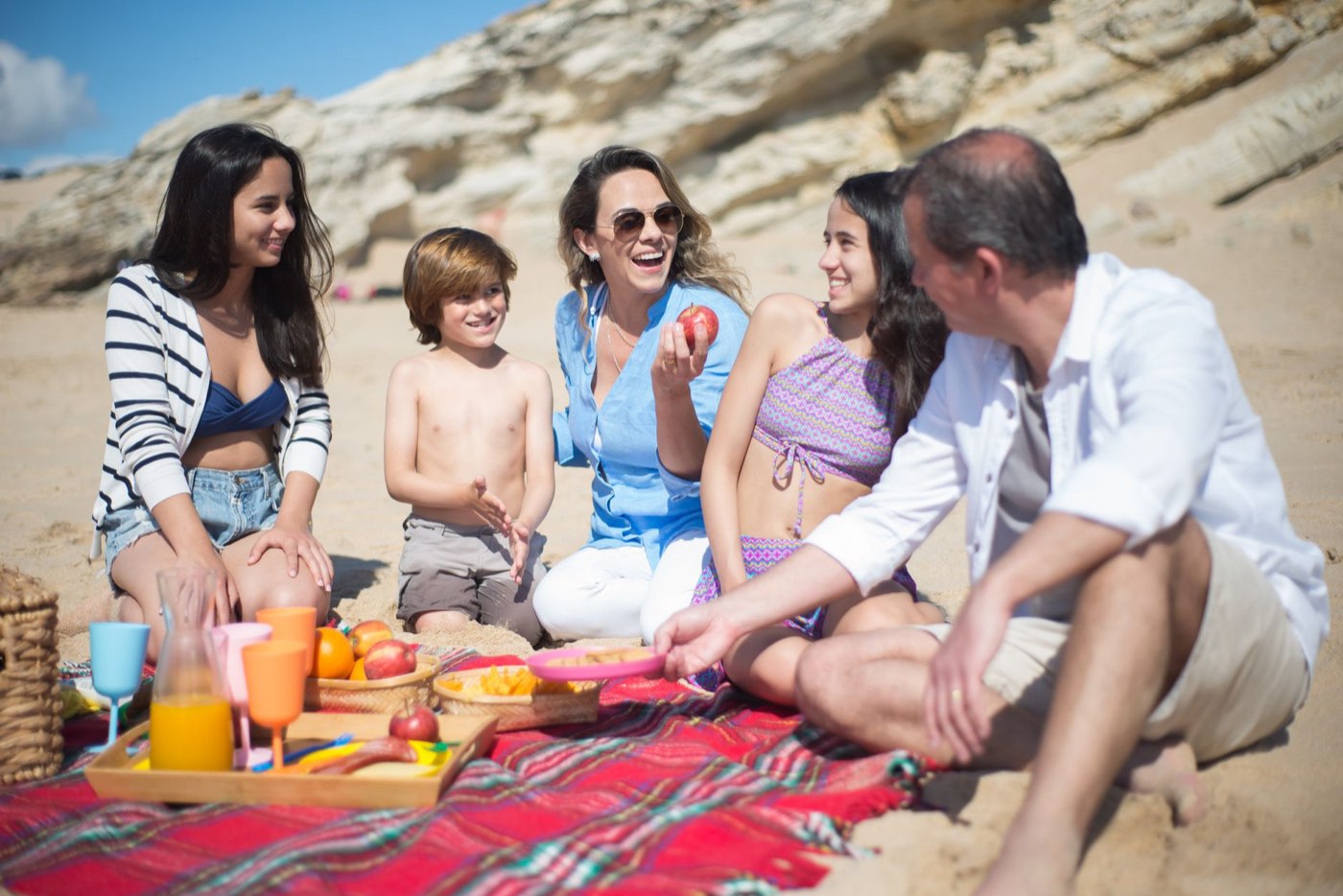
Mauritius offers family-friendly outdoor options that suit parents traveling with children: calm lagoon beaches for easy paddling, a spacious botanical garden for relaxed walks, glass-bottom boat trips to view marine life without diving, nature and wildlife parks with guided visits, and compact coastal markets and villages for short cultural stops.
Calm lagoon beaches for young children
Shallow lagoons and protected bays are the natural choice for families with young children. These areas generally have gentler waves and clearer water near the shore, which makes standing and wading easier for little ones. Parents can choose short, manageable sessions on the sand and in the shallows to keep energy and stress levels steady.
Look for beaches where the water near the shoreline forms a broad, flat expanse rather than a steep drop. That layout tends to reduce sudden currents and strong surf close to the sand. Spending time where the seabed slopes gently helps children learn to feel comfortable in the water without immediate depth.
Be mindful of shade and rest breaks. A day at a calm lagoon beach can be paced around naps, snacks, and play, rather than long, continuous exposure. Pack simple comforts: shade, sun protection, and a lightweight change of clothes. Short walks along the shoreline are often as rewarding for children as long swims.
The botanical garden: an easy family outing
A botanical garden with large lawns and notable water features suits families who prefer a low-intensity visit. Wide paths and open spaces allow strollers and small groups to move without frequent stops. The presence of large, eye-catching plants gives children natural focal points for curiosity and exploration.
Walking at a slow pace turns the garden into an educational stroll rather than a rushed tour. Families can base their visit around simple activities: spotting different leaf shapes, watching birds or insects, and pausing for picnics on the grass. Benches and shaded areas support older adults and toddlers alike.
The garden setting lends itself to mixed-age outings. Adults can stay grounded with short, scenic routes while children explore close to hand. The overall rhythm of such a visit reduces the need for long transfers or complex planning.
Glass-bottom boat trips
Boat trips that use a glass-bottom hull make marine life visible without requiring passengers to leave the vessel. This format suits children who cannot or prefer not to swim. Observing fish, coral formations, and underwater colors from a seated position allows families to share a marine experience safely and comfortably.
Trips tend to be short and focused, which helps keep young attention spans engaged. The stable platform of a boat and the direct view through the glass panel let children and adults point out what they see together. Crew members or guides on board typically describe the main features visible through the hull, adding context for curious kids.
Choose departures that match the family’s daily rhythm. A brief outing of moderate duration reduces the chance of overtiredness. Bringing simple snacks and water on board helps keep children content. Life jackets remain standard safety gear for younger passengers on any small boat activity.
Nature and wildlife parks
Parks dedicated to nature and wildlife provide guided or structured visits oriented toward families. These sites are designed to make flora and fauna accessible without long hikes or technical effort. Paths are generally clear and visits can be paced to match children’s energy levels.
Family-focused programs inside such parks often include short, framed encounters with animals and interpretive displays that simplify natural history. Encounters are presented to fit a family rhythm: observation from safe distances, short guided talks, and opportunities for questions. This format reduces the pressure on parents to manage complicated logistics while keeping children engaged.
Choosing a park visit as a half-day activity lets families mix outdoor time with quiet downtime back at accommodation. The park environment supports flexible pacing: families can choose a single looped trail or a brief demonstration and then move on to calmer activities.
Markets and coastal villages: short cultural stops
Local markets and coastal villages offer cultural exposure in compact, walkable settings. These stops work well on days when long transfers are not desirable. A short stroll through a market or along a village waterfront gives children sensory experiences—colors, smells, sounds—without extended logistical demands.
Plan visits for times when crowds are lighter to keep the experience calm. Focus on brief, supervised encounters: tasting a snack, watching local craftspeople, or observing daily life from a shaded bench. These micro-experiences are easy to combine with a beach or garden visit on the same day.
Markets and small harbors can anchor a child-friendly day precisely because they are modular: pick a single, short activity and build the rest of the schedule around rest and play periods.
Tips for traveling with children in Mauritius
Keep daily plans modest. Short transfers and a single main activity per day help maintain a relaxed tempo. Allow time for naps and unscheduled play between planned visits.
Pack adaptable kit items that work across activities: sun protection, light rain layers, water bottles, and a compact first-aid supply. Comfortable footwear for mixed terrain makes both garden paths and village alleys easier to navigate.
When organizing outings, aim for flexibility. Choose activities that can be shortened or extended depending on how the children feel. Selecting sites with nearby shade and seating reduces stress and keeps the focus on shared experiences rather than rigid schedules.
Planning a family-friendly itinerary
Group similar activities to minimize transfer time. For example, pair a calm lagoon beach visit with a short coastal market stroll on the same day. Reserve a morning visit for the botanical garden when temperatures are cooler, and use a half-day boat trip for a relaxed afternoon on the water.
Alternate active and quiet periods. Follow an active morning with a restful midday break, then an easy afternoon outing. This balance keeps children engaged while preserving energy for the next day.
Build contingency options into each day. Have a simple backup plan in case weather or tiredness shortens the main activity: a shaded picnic spot, a nearby playground, or a short drive back to accommodation for quiet time.
Quick reference table for activity types
| Activity type | Typical family fit | Why it works for families |
|---|---|---|
| Calm lagoon beaches | Young children and paddlers | Shallow water and gentle shoreline encourage short, safe play |
| Botanical garden | All ages, relaxed pace | Open lawns and clear paths suit strollers and slow walks |
| Glass-bottom boat trips | Children who prefer to stay dry | Underwater viewing from the boat removes need to swim |
| Nature and wildlife parks | Families who enjoy guided animal or plant visits | Structured encounters and short trails simplify logistics |
| Markets and coastal villages | Short cultural experiences | Compact, sensory stops fit short attention spans |
- Plan one main activity per day to keep travel light.
- Alternate active and quiet periods to preserve energy.
- Carry shade, sun protection, and easy snacks for flexible pacing.