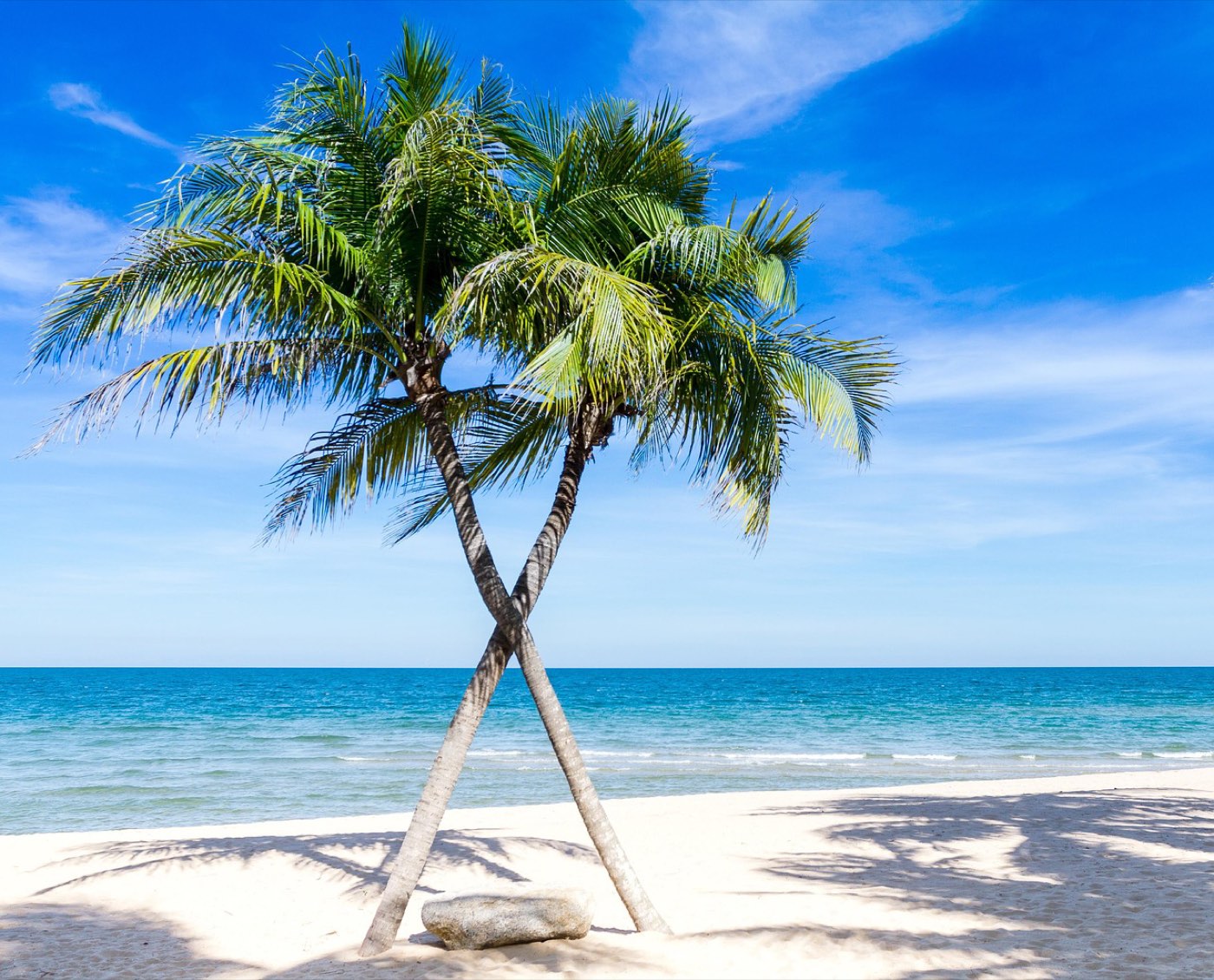
Beaches and water-based activities in Mauritius center on a sheltered lagoon ringed by a coral barrier, offering calm waters for a wide range of seaside and nautical pursuits that suit different interests and skill levels.
Swimming and snorkeling in the lagoon
The lagoon that surrounds much of the island provides protected, generally calm water suited to swimming. The coral barrier that lines large sections of the coast reduces wave energy inside the lagoon, creating areas where the sea is quieter than open ocean conditions. These calmer stretches are favorable for people seeking relaxed bathing and for those who want to explore shallow marine habitats without strong currents.
Snorkeling is practiced along the coral reefs found within and at the edge of the lagoon. Reefs and reef-fringed shallows concentrate marine life and create varied underwater scenery that snorkelers can observe from the surface or at shallow depth. Because coral formations are uneven, typical snorkeling outings visit a mix of reef flats, fringing reef edges, and channels where marine species are more easily observed from the surface.
Conditions for swimming and snorkeling are shaped by local reef geometry and the presence of marine protected zones. Where the reef forms a continuous barrier, waves and surge are reduced inside the lagoon; where the reef is discontinuous or lower, localized currents can appear near passes. Choosing sheltered spots within the lagoon generally yields gentler water and easier access to reef features for observation.
Boat trips and catamaran cruises
Boat-based excursions across the lagoon are a common way to enjoy the island’s coastal environment. Catamarans and other leisure boats operate on the sheltered waters of the lagoon and often include short stops at offshore islets. These outings typically combine cruising with opportunities to swim, snorkel, or spend time on a sandy islet for a beach break.
Glass-bottom boat options are used in some outings to allow passengers to view reef features and marine life from the deck without entering the water. On many cruises, the route is designed to showcase varied coastal scenery: coral flats, reef edges, sandbanks, and small islets that dot the lagoon. The calmness of the lagoon makes these cruises accessible to a wide range of visitors who prefer to experience marine environments from the comfort of a boat.
Because the lagoon’s coral formations and channels affect navigation, boat routes commonly follow passages through or around the reef rather than crossing the barrier directly. This approach keeps trips within the sheltered area and avoids open-ocean conditions except when outings are explicitly arranged to travel farther offshore for different activities.
Kitesurfing and windsurfing
Kitesurfing and windsurfing take place at locations where wind patterns and lagoon layout create suitable conditions. Sites with open exposure to steady wind and a broad, shallow lagoon tend to be favored by practitioners of both sports. Where wind strength is moderated by the reef and the lagoon floor is relatively flat, riders can find a blend of manageable chop and space to practice maneuvers.
The configuration of the lagoon influences safety and learning conditions. Large, sheltered expanses of shallow water allow riders to launch, land, and ride with reduced risk from strong shorebreak. Conversely, spots where the reef forms narrow channels or where the lagoon narrows may present more technical conditions that suit experienced practitioners rather than beginners.
Equipment setup and launching typically occur from sandy beaches adjacent to the lagoon. Because wind and water conditions change with local geography, choice of a kitesurfing or windsurfing location is often guided by the specific characteristics of the shoreline, the reef shape offshore, and how the wind funnels along the coast.
Kayaking and paddleboarding
Kayak and stand-up paddleboard activities are well suited to the calmer zones of the lagoon. In areas where the coral barrier shelters the water, paddlers can explore mangrove fringes, lagoon channels, and shallow flats at a relaxed pace. The stable, shallow nature of many lagoon areas makes paddling accessible for both recreational users and those seeking a gentle way to observe coastal ecosystems from the water.
Guided and unguided outings typically focus on sheltered routes that minimize exposure to wind and swell. Paddlers often remain within the lagoon where navigation is straightforward and the risk of strong currents is reduced. These activities enable close observation of shoreline features and nearshore marine life while offering an improvised route choice based on tides and local shore conditions.
Varying shoreline habitats—sandbanks, seagrass beds, and reef edges—create different paddling experiences. In channels between reefs and islets, paddlers can follow calm waterways that reveal transitions between shallow flats and deeper patches, while near mangrove stands the shoreline is more intricate and provides quieter, more contemplative routes.
Deep-sea fishing
Deep-sea or big-game fishing takes place off the outer edges of the reef, beyond the sheltered lagoon. These outings head into open water where pelagic species circulate, and they are organized specifically for anglers seeking offshore targets. Because the activity requires travel outside the protective ring of the reef, deep-sea fishing is distinct from in-lagoon fishing and occurs in different sea conditions.
Trips to offshore fishing grounds are planned to reach water beyond the barrier reef where deeper-water species are present. Operating in open ocean conditions involves a different boat type and different preparation compared with lagoon-based activities. Anglers seeking offshore species generally expect longer passages from shore and to operate on waters that are more exposed to swell and wind.
The offshore environment offers a contrast to the sheltered lagoon: it provides deeper water, larger pelagic species, and sea conditions influenced by broader oceanic patterns. For these reasons, deep-sea fishing is commonly presented as a separate category from lagoon activities and is arranged with appropriate equipment and experienced crew for open-water navigation and fishing techniques.
Which region for which water activity
Different sections of the island offer varying combinations of lagoon geometry, reef form, and wind exposure, which shape the suitability of specific water activities. Areas with a broad, continuous barrier reef provide extensive sheltered lagoon suitable for swimming, snorkeling, kayaking, and paddleboarding. Locations where the reef opens into channels and where wind funnels across the lagoon are more associated with wind-dependent sports such as kitesurfing and windsurfing.
Boat trip routes across the lagoon commonly depart from sheltered bays and follow passages that navigate around reef features to reach islets or reef edges. Deep-sea fishing operations head beyond the outer reef to access deeper waters and pelagic species, while in-lagoon fishing and paddling remain inside the protective barrier for calmer conditions and easier access to nearshore habitats.
For planning a visit that combines several activities, consider pairing sheltered lagoon options—such as swimming, snorkeling, and paddling—with a boat-based excursion to sample the lagoon’s variety of reef environments. For wind-driven sports, identify coastal stretches where wind patterns are known to produce consistent conditions and where the lagoon’s layout allows safe launching and riding.
- Practical note: respect reef and marine habitats while enjoying water activities.
- Practical note: choose lagoon zones for calmer water and offshore passages for open-ocean pursuits.
- Practical note: match activity type to shoreline and reef configuration for safety and enjoyment.
Further planning
For a trip that combines multiple water activities, structure time so that lagoon-based pursuits occupy calmer daylight windows, and reserve open-water outings for when sea state and planning allow. Regional pages focused on specific areas of the coast provide detailed, localized guidance on access points and combinations of activities for multi-activity itineraries.